The 24‑Hour Rest That Made My Smoked Gouda Taste Way Better
I expected a short parchment pause to soften the smoke — instead a 24‑hour parchment rest amplified it, turning the Gouda into a deeper, sweeter, campfire‑kissed cheese. In a blind taste test the rested block beat the immediately vacuum‑sealed one hands down. Read on for a simple, repeatable method you can use on smoked Gouda (and other cheeses) to get richer smoke without bitterness.
Why Resting Smoked Cheese Matters More Than You Think
Cold-smoking cheese is one of those deceptively simple projects that delivers a big payoff: low heat and aromatic wood smoke coat the exterior, turning a pale, creamy block of gouda into something with a warm, golden rind and faint ribbons of smoke in every bite. Gouda is especially well-suited to this — its buttery, slightly sweet, nutty base soaks up smoke beautifully, making it a favorite to hand out as gifts or to feature on a cheese board where slices melt into grilled sandwiches or add depth to a wintery charcuterie spread.
The standard advice you’ll hear from experienced home smokers is to wrap smoked cheese in butcher paper or parchment and let it rest in the refrigerator for 24–48 hours before vacuum-sealing. The rationale is practical: resting lets surface moisture equalize and gives volatile smoky compounds a chance to redistribute so the flavor mellows, rather than being trapped in a bag where some claim it can taste overly intense, acrid, or bitter. That explanation makes sense on paper, but it left me wondering whether resting actually reduces the amount of smoke or simply changes how the smoke is perceived on the palate.
To test it I set up a simple, controlled experiment: two identical blocks of gouda, smoked side‑by‑side on the same rack, in the same pit, with the same pellets and the same smoking time. When they came off the smoker I treated them differently — Block A went straight into the chamber sealer and was vacuum-sealed within 10–15 minutes, while Block B I wrapped loosely in parchment and chilled for 24 hours in the fridge before vacuum-sealing. After that both cheeses were stored the same way and tasted at the same time, so any differences would come down to that 24‑hour rest. I also labeled the pieces, noted exact times, and kept photos and temps so the comparison would be as fair and actionable as possible.
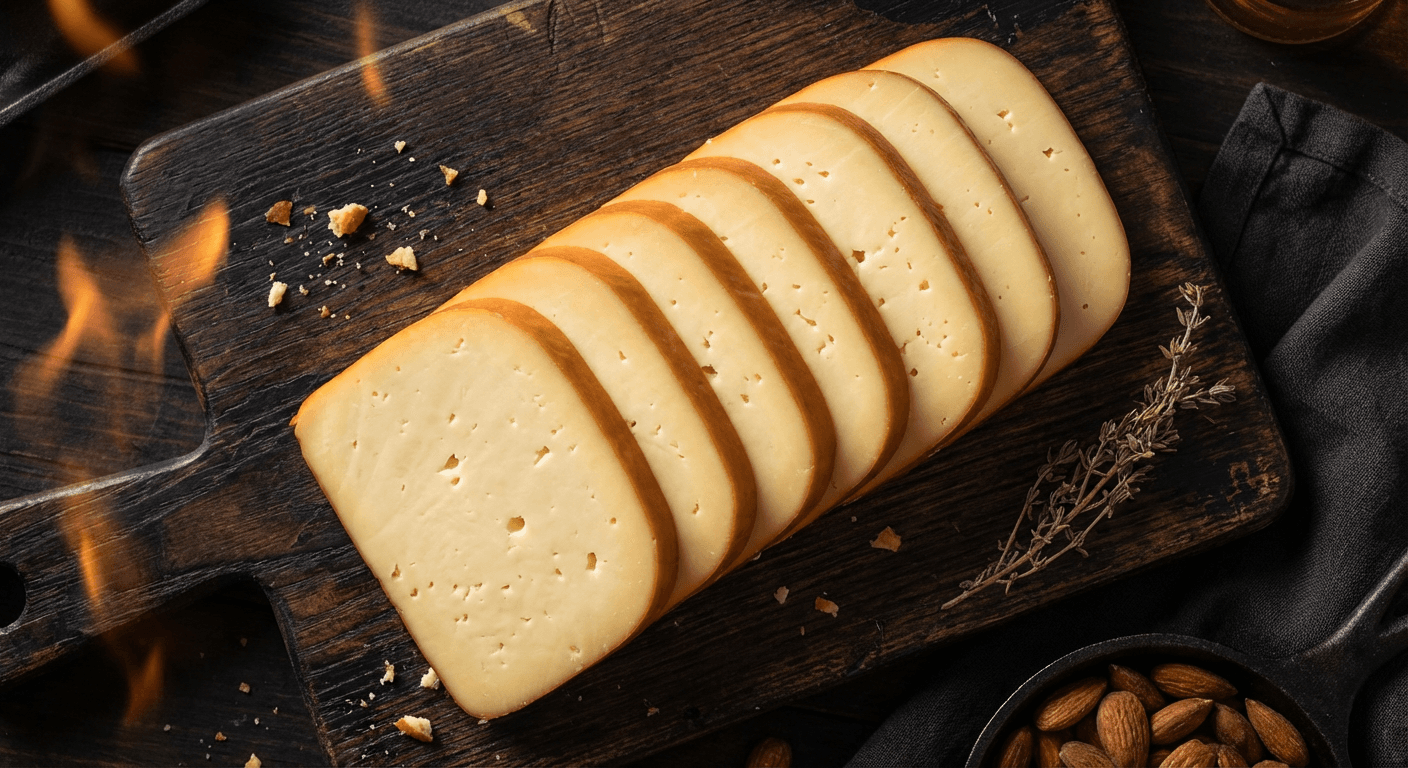
The Surprising Results: Smokier Cheese from a 24‑Hour Rest
I set up a simple blind tasting so nothing could bias the results: I cut matched wedges from two blocks smoked side by side, labeled them only with neutral codes, and handed them out to friends and neighbors with no hints about which was which. Everyone tasted the unlabeled pieces at the same time, cleansed with water between samples, and wrote down impressions before any reveal. One block had been wrapped in parchment and allowed to rest in the fridge for 24 hours before sealing; the other had been sealed immediately with a chamber vacuum.
The result surprised me: every single taster independently agreed that the parchment‑rested cheese tasted smokier. Not only that, the vast majority also preferred the rested block overall — they used words like “deeper smoke,” “more rounded,” and “sweeter wood smoke” — while a small minority opted for the milder, immediately sealed sample. People described the rested cheese as having smoke that felt integrated into the butterfat, with less of the sharp, acrid edge some expected; the immediately sealed piece showed a little more top‑note harshness and, in a few notes, a slightly tacky surface under the tongue.
Texture differences were subtle but mentioned: a few tasters noticed the rested wedge felt a touch firmer at the rind and silkier on the cut face, while the sealed cheese was marginally springier. No one reported any overt bitterness in either sample — what changed was the balance: the resting seemed to smooth sharp phenolic edges and concentrate the smoky bass tones. Which leads to the big question: how does giving smoked cheese a day to ‘breathe’ make it taste smokier instead of muffling the smoke? I’ll dig into that next and show what I think is happening during that quiet 24‑hour window.
What Might Be Happening Inside That Block of Cheese

I don’t have lab-grade chemistry to prove any single explanation, but from hands-on testing and kitchen logic there are a few reasonable working theories that together explain why a 24‑hour parchment rest changes the way smoked gouda tastes. First, surface drying and flavor concentration: a day in parchment lets the outer layer lose a little tackiness so the rind tightens and the volatile smoke compounds concentrate right where your tongue meets the cheese. That immediate smoky hit becomes clearer and less muddled, like the difference between smelling a spice up close versus through a damp cloth. Second, continued migration of smoke compounds: smoke particles don’t instantly sit only on the surface — they diffuse inward over time, so the rest period gives the interior a chance to integrate with the surface flavors and yield a rounder, more balanced smoke profile rather than a one‑note blast.
Third, vacuum bag interaction: sealing immediately can change how those volatile aromatics behave — some get pulled into the bag material or simply redistribute in a way that dulls perception when you finally open it. Pitmasters see something similar with smoked meat: aromas will live in plastic and even the bag itself will smell strongly of smoke, which tells you the packaging is part of the aroma story. It’s also worth stressing that the idea of cheese “keeping to smoke in the fridge” isn’t literal smoke continuing to stream into the block; it’s ongoing chemistry and moisture movement inside the cheese — fats, water and smoke compounds shifting and mellowing. Practical takeaway: whatever the exact mechanism, a short parchment rest clearly changes perception. If you want a cleaner, more integrated smoke, wrap the cheese loosely in parchment, refrigerate for 24 hours, then vacuum if you want longer storage — and taste along the way to find your sweet spot.
Tip
Smoke two identical Gouda blocks together; after 10–15 minutes cooling vacuum-seal one and wrap the other in parchment (no plastic). Refrigerate both for 24 hours, then vacuum-seal the rested piece and compare side‑by‑side for smoke intensity, bite, and texture — repeat at 48/72 hours if you want a time series.
How to Dial In Your Own Smoked Cheese Rest Time
If you want to figure out the rest time that suits your taste and gear, run a tiny controlled experiment: pick one cheese—Gouda is perfect for this because its buttery, slightly sweet profile shows smoke clearly—cut it into equal blocks and smoke them together under identical conditions so the only variable is resting. Right off the smoker seal one block in a bag, wrap another loosely in parchment or butcher paper and put it in the fridge for 24 hours, do additional blocks for 48 hours and 72–96 hours if you’re curious. Keep them side by side on the wire rack as they cool so they see the same air and temperature, and try to handle them the same way to avoid accidental differences.
When it’s time to rest each piece, wrap it loosely—not tight like cling film—in parchment or breathable butcher paper and set it on a rack in the fridge. That loose wrap lets the cheese breathe a little and prevents a crust from forming while avoiding excessive drying; the rack allows gentle airflow around the block. After the targeted rest interval, vacuum-seal each piece and label the bag clearly with the rest time and the smoke date. If you use a chamber sealer, you’ll get the strongest vacuum and the cleanest-looking bags, but even hand-pumped seals work; the important part is consistent timing and clear labeling so you don’t mix them up.
Give the sealed cheese a little time to marry—the smoke will mellow and integrate best after at least 1–2 weeks in the fridge, and many people prefer several weeks for the flavors to settle and for any initial harshness to fade. When you taste, use a short checklist: smoke intensity (how bold or faint), balance (harsh/ashy vs. mellow/sweet), texture (silky, crumbly, or dry), and overall preference. Take notes on each attribute and on your equipment and wood type so you can reproduce what you liked. Over a few experiments you’ll build a personal “house style” for smoked cheese that matches your palate and smoker, whether you prefer a whisper of smoke after 48 hours or a punchy campfire finish straight from the bag.