First Brisket Nerves? Trim Without the Panic
Trimming a brisket for the first time can feel intimidating — and the fear of cutting too much is real. There’s no single ‘right’ way, but simple, practical rules will steady your hands: leave enough fat for flavor, tidy paper-thin edges, and round the flat for even cooking. Breathe easy — a small overtrim isn’t the end of the world, and you can always tidy things up during or after the cook to still get smoky, tender slices.
Why Brisket Trimming Feels So Intimidating
Brisket trimming is one of those barbecue debates that can make even a confident cook second‑guess a perfectly good piece of meat. Every brisket is different—fat distribution, grain, thickness and the occasional processing nick—and those differences mean there’s no single “right” look. Add in peoples’ priorities (presentation, bark development, juiciness) and equipment variables, and suddenly a simple trim feels like a minefield.
Most cooks fall into two loose camps. One group trims aggressively to create a uniform, aerodynamic shape that cooks evenly and presents beautifully—think neat edges, consistent thickness and a clean mahogany bark across the whole cut. The other group is unapologetically pro‑fat: a thicker cap renders down into glossy, unctuous flavor that protects lean areas and keeps slices juicy. Both approaches have merit; one chases precision and even cook times, the other leans into mouth‑coating richness and forgiveness.
Asking people how much to trim is a bit like asking for baby name opinions: you’ll get wildly different answers and leave more confused than when you started. If you’re a casual backyard cook, the stakes are lower than they feel—fat can be pared back after a cook and dry, paper‑thin edges can be trimmed away once the brisket rests. A simple rule of thumb to carry through this piece: when in doubt, leave a little more fat than you think you need—it’s far easier to remove than to add—and focus on shaping any extreme thin points so you don’t end up with narrow, overcooked strips. This article is about practical guidelines to help you decide, not a single law you must follow.
Understanding the Flat, the Point, and Those Weird Edges
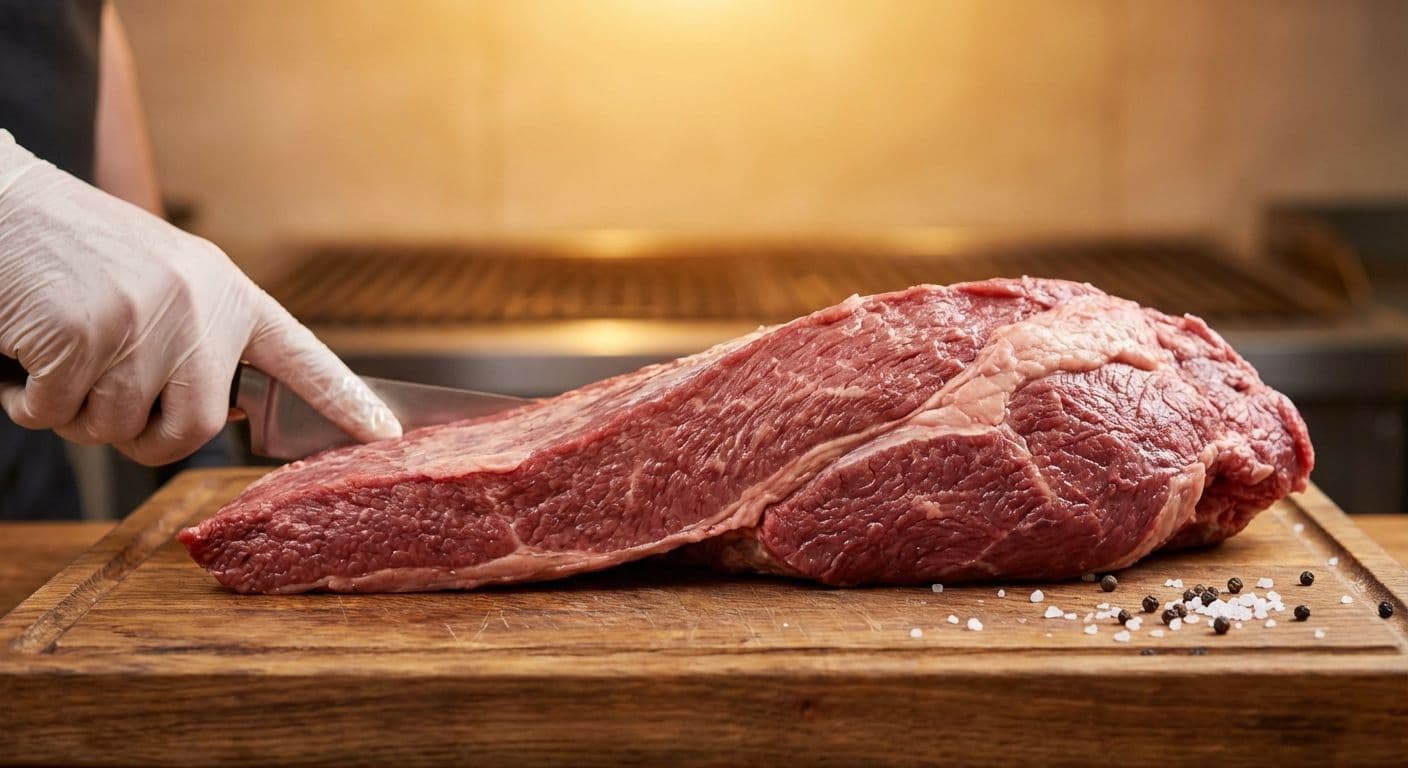
Think of a whole brisket as two personalities in one: the flat and the point. The flat is the lean, rectangular side you slice against the grain—clean, dense, and great for neat sandwich slices. The point is the thicker, marbled half that softens and pulls apart as the fat renders, giving you those juicy, melt-in-your-mouth bites. Because the point carries more intramuscular fat it can tolerate longer cooking and higher temperatures, while the flat needs a little more care to stay moist and not dry out.
Uneven thickness on the flat is totally normal — grocery and packer briskets rarely arrive looking like a staged video prop. A simple rule of thumb: any part of the flat that tapers below about 1 inch is likely to dry out during a long cook, so round it off or trim it back. To do that, use a sharp boning knife to remove the paper-thin edges and shave down the ‘mohawk’ (the narrow ridge that runs between point and flat) so the whole piece cooks more aerodynamically and evenly. If you find processing gashes or ragged flaps, don’t panic: trim away loose tissue, tuck or tie a large flap if it helps, then smoke as usual — you can always clean up that spot when you slice, or save trimmings for burnt ends or gravy instead of overworking the whole brisket. When in doubt, err on the side of leaving a little fat; it’s easier to remove fat after cooking than to add moisture back into an over-trimmed flat.
Trimming Rule of Thumb
Leave about 1/4–1/2 inch of fat cap over most of the brisket—lean a bit more if you like it dryer, or keep extra if you want richer bark and juicier slices. If the fat tears or looks ragged while trimming, stop and sharpen your knife; a sharp blade gives cleaner, safer cuts and a neater final presentation.
"Don’t panic if you left a little extra cap — fat isn’t a sin, it’s flavor insurance. That white ribbon melts slow and steady, glazing the meat with beefy juices, protecting thin spots and giving you a silky bite and deep mahogany bark. When you’re learning, err on too much rather than too little — you can always trim after the smoke, but you can’t put fat back."
